When Creativity Meets Code
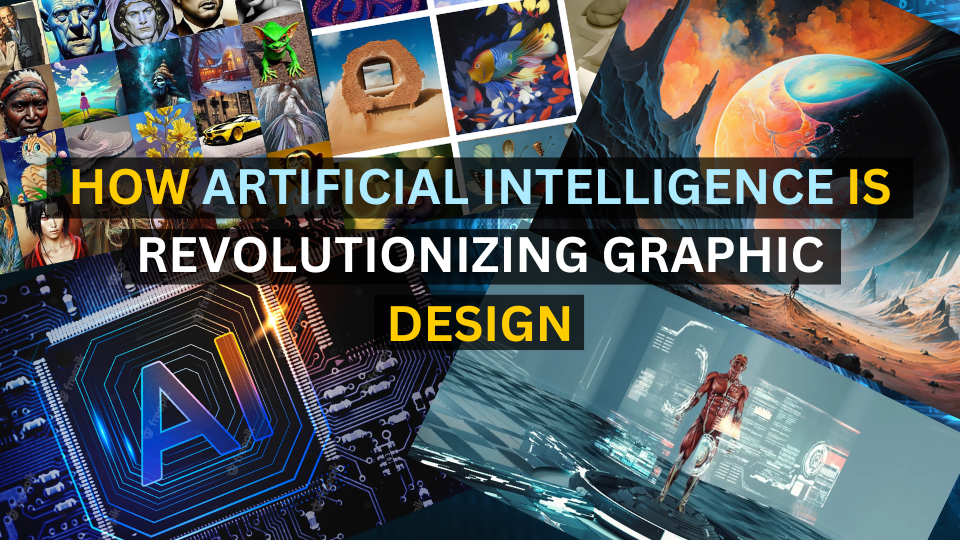
In today’s rapidly evolving digital landscape, the worlds of art and technology are colliding in spectacular ways. At the intersection of creativity and innovation lies a captivating partnership: Artificial Intelligence (AI) and Graphic Design. In this blog, we’ll explore the exciting ways AI is transforming the graphic design landscape, unleashing a new realm of possibilities.
The Creative Revolution
The realm of graphic design has undergone a monumental transformation, with Artificial Intelligence (AI) playing a pivotal role in this creative revolution. Let’s delve into the ways AI is reshaping graphic design:
1.Efficiency Unleashed
Gone are the days of painstakingly repetitive tasks such as resizing images or choosing color palettes. AI-powered design tools are the ultimate efficiency boosters, allowing designers to focus on the artistry itself.
Example:
-
Adobe Photoshop’s AI-powered “Generative Fill” allows designers to expand images, remove objects, or add new elements with a single prompt.
-
Canva Magic Resize automatically resizes a single design for Instagram, Facebook, LinkedIn, and YouTube in seconds.
This newfound efficiency is a game-changer, enabling designers to work faster and more creatively.
2.Designing with Data
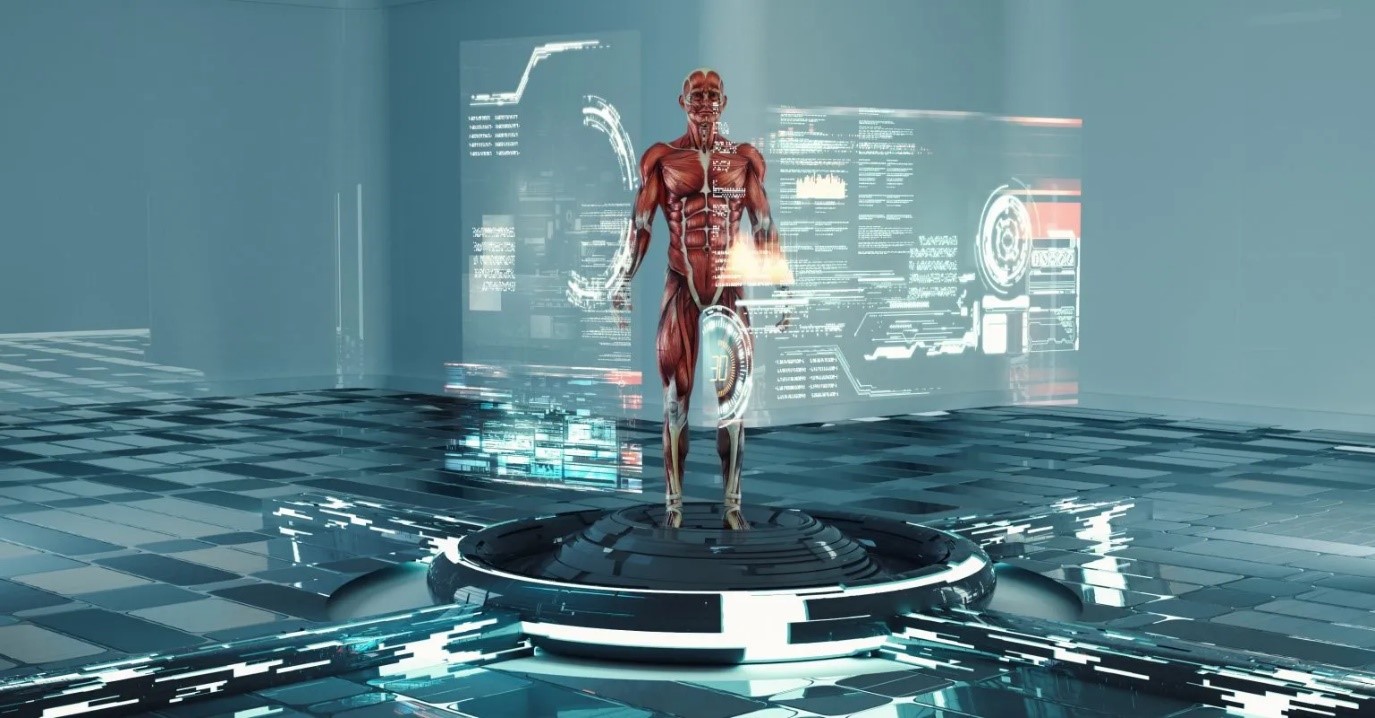
Artificial Intelligence (AI) has an insatiable appetite for data. It can analyze vast amounts of information about user preferences, market trends, and competitor strategies. Armed with this knowledge, designers can create designs that are not just visually appealing but strategically aligned with their target audience.
Example:
-
Netflix uses AI to test different thumbnail designs for the same show. Each user may see a different poster image based on viewing history and preferences.
-
A/B testing tools like Google Optimize suggest which design layout performs better based on real user interaction data.
Designs are no longer just beautiful—they’re strategic and results-driven
3.Hyper-Personalization
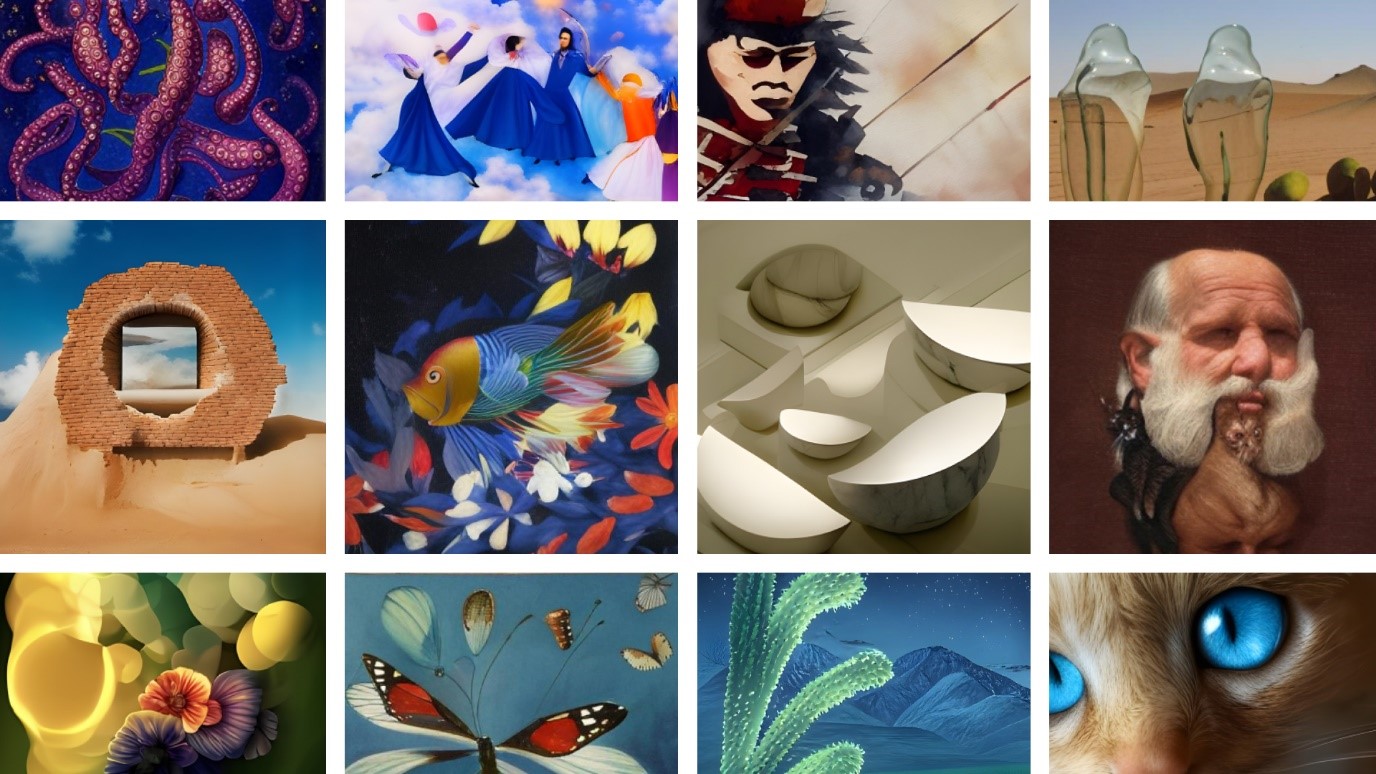
Personalization is the holy grail of effective design. Artificial Intelligence (AI) takes this to the next level. By analyzing user behavior and preferences, AI can create personalized designs that speak directly to the individual. Imagine a website that adapts its layout and imagery to each visitor’s unique tastes.
Example:
-
Spotify Wrapped uses AI to generate personalized visuals, colors, and typography for each user based on their listening habits.
-
E-commerce websites dynamically change banners, product images, and CTA designs depending on user behavior.
This level of personalization builds stronger emotional connections and increases engagement.
4.Generative Art: AI as the Artist
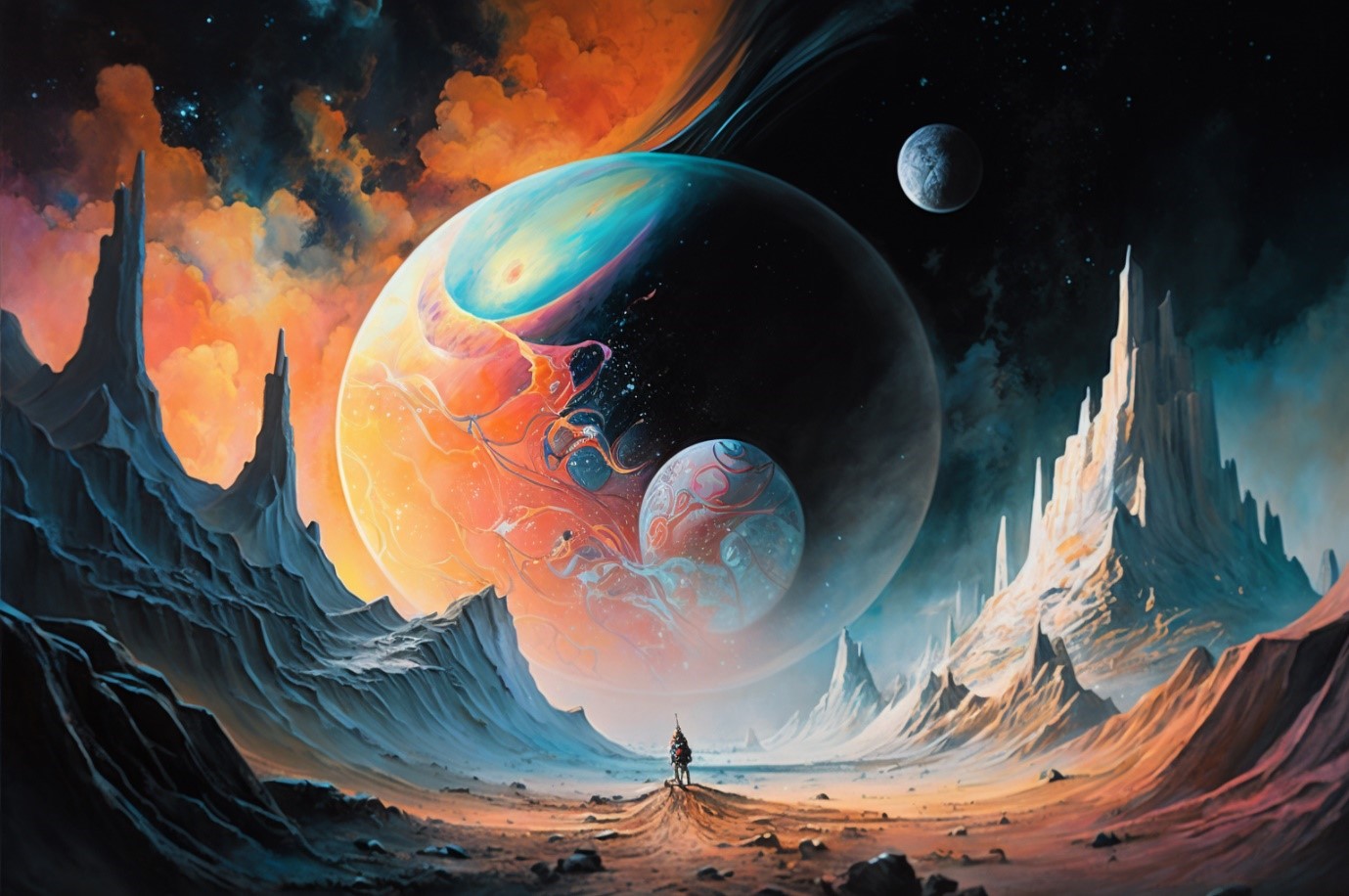
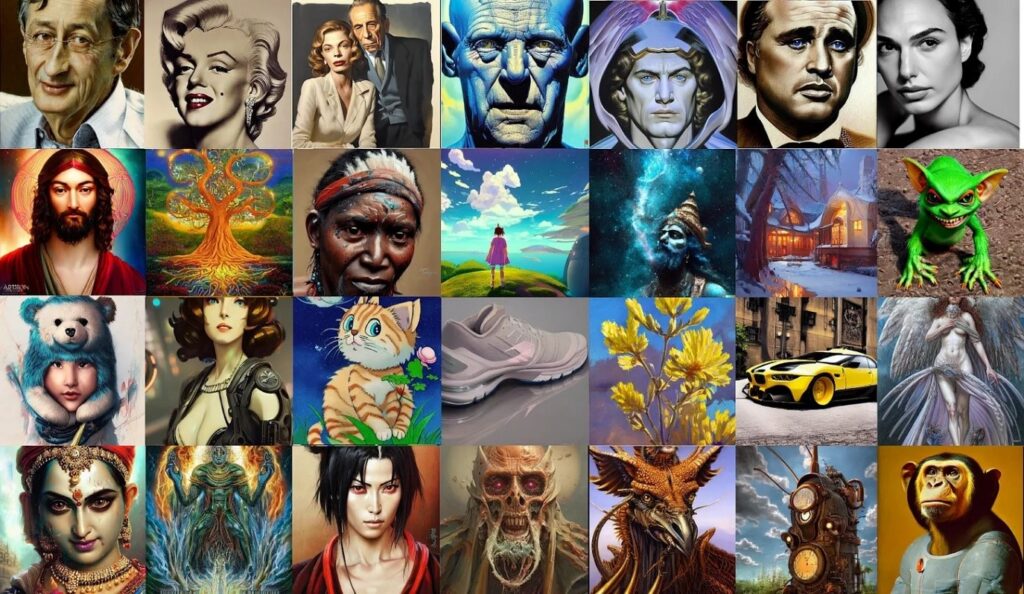
AI isn’t just a tool; it’s an artist in its own right. The emerging field of generative art is fueled by AI algorithms that produce mesmerizing, unexpected designs. These AI-generated masterpieces often challenge our traditional notions of artistry, introducing new concepts of beauty and creativity.
Example:
-
Midjourney, DALL·E, and Stable Diffusion can generate detailed illustrations, posters, and concept art from text prompts.
-
Brands are now using AI-generated visuals for album covers, fashion concepts, and campaign artwork.
These tools push creative boundaries and inspire entirely new visual styles.
5. Collaboration, Not Competition
Contrary to the fear that Artificial Intelligence (AI) might replace designers, it’s actually becoming their creative partner. Designers can harness AI as a collaborator, brainstorming ideas and exploring innovative design directions that they might not have considered otherwise.

Example:
-
Designers use ChatGPT to brainstorm campaign ideas or write creative briefs.
-
Adobe Sensei suggests font pairings, layout improvements, and color corrections while the designer remains in control.
Artificial Intelligence (AI) acts like a creative assistant—supporting, not replacing, human creativity.
The AI Design Process
To understand how AI integrates into graphic design, let’s break down the process:
Data Gathering: AI collects and analyzes data on design trends, user preferences, and market insights.
Conceptualization: AI suggests design concepts, typography, and color palettes based on the gathered data.
Prototyping: It generates design prototypes rapidly, allowing designers to explore multiple creative directions.
Feedback Loop: Through user interactions and feedback, AI continually learns and refines its design suggestions.
Production: Mundane tasks like resizing graphics are automated, saving time and effort.
Personalization: AI tailors designs for specific users or target demographics, enhancing user engagement.
The Future of AI-Driven Graphic Design
The future holds exciting possibilities:
1.Hyper-Personalization: Designs will become more tailored to individual preferences, creating a stronger emotional connection between brands and consumers.
2.Dynamic Design: Imagine websites and apps that adapt their design in real-time based on user behavior and preferences, providing a truly personalized experience.
3.Augmented Creativity: AI will serve as a creative partner, suggesting innovative design directions and pushing the boundaries of human creativity.
4.Ethical Considerations: With great power comes great responsibility. As Artificial Intelligence (AI) continues to evolve, it’s crucial to address ethical considerations. Questions about job displacement in the design industry and concerns related to data privacy must be carefully examined and navigated.
Conclusion
The fusion of Artificial Intelligence and graphic design is not a threat—it is a creative breakthrough. Designers are no longer limited by manual processes or time constraints.
With AI as a muse, collaborator, and creative partner, the future of graphic design becomes limitless.
Artificial Intelligence (AI) doesn’t replace designers—it empowers them.
And in this new era, creativity has no boundaries.