
Color plays a crucial role in modern web design. It influences emotions, improves usability, and shapes brand perception. To build visually appealing and effective websites, designers must understand color theory and how it enhances user experience (UX).
This article explains its core principles, psychological impact, and practical application in website designing.
What Is Color Theory in Website Designing?
Color theory in website designing involves studying how colors interact, how they evoke emotions, and how they create visual balance on digital interfaces. It focuses on understanding color properties, relationships on the color wheel, and the psychological impact colors have on users.
Understanding it helps designers choose the right color palettes, improve usability, and deliver an engaging user experience. It also ensures that colors align with brand identity and user expectations.
Color is not just decorative—it guides users, highlights important elements, and influences how users feel while interacting with a website.
Importance of Color Theory in Website Designing
Understanding color theory is essential because color can:
-
Attract users’ attention
-
Convey emotions and messages
-
Improve readability and navigation
-
Strengthen brand identity
-
Enhance overall user experience (UX)
Effective use of it can increase user engagement and reduce bounce rates.
Basics of Color Theory
1. The Color Wheel
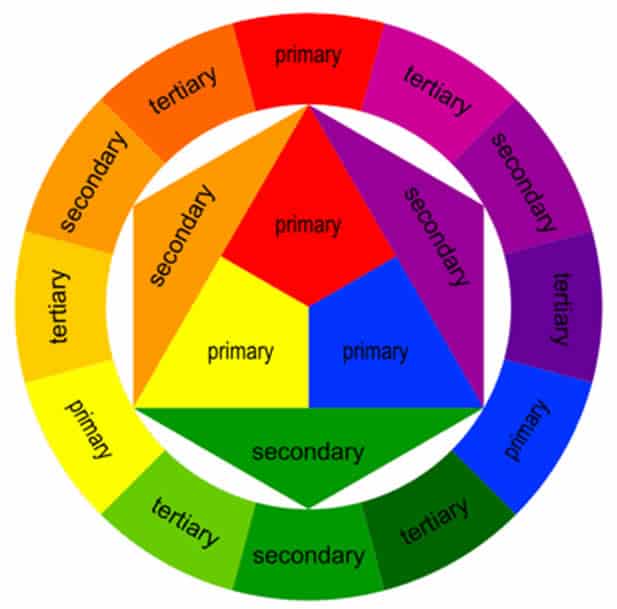
The color wheel is the foundation of color theory and includes:
-
Primary colors: Red, blue, yellow
-
Secondary colors: Green, orange, purple
-
Tertiary colors: Mixed variations
Understanding the color wheel helps designers create balanced color combinations.
2. Color Properties
-
Hue: The actual color
-
Saturation: Color intensity
-
Brightness (Value): Lightness or darkness
These properties are key elements of color in web design.
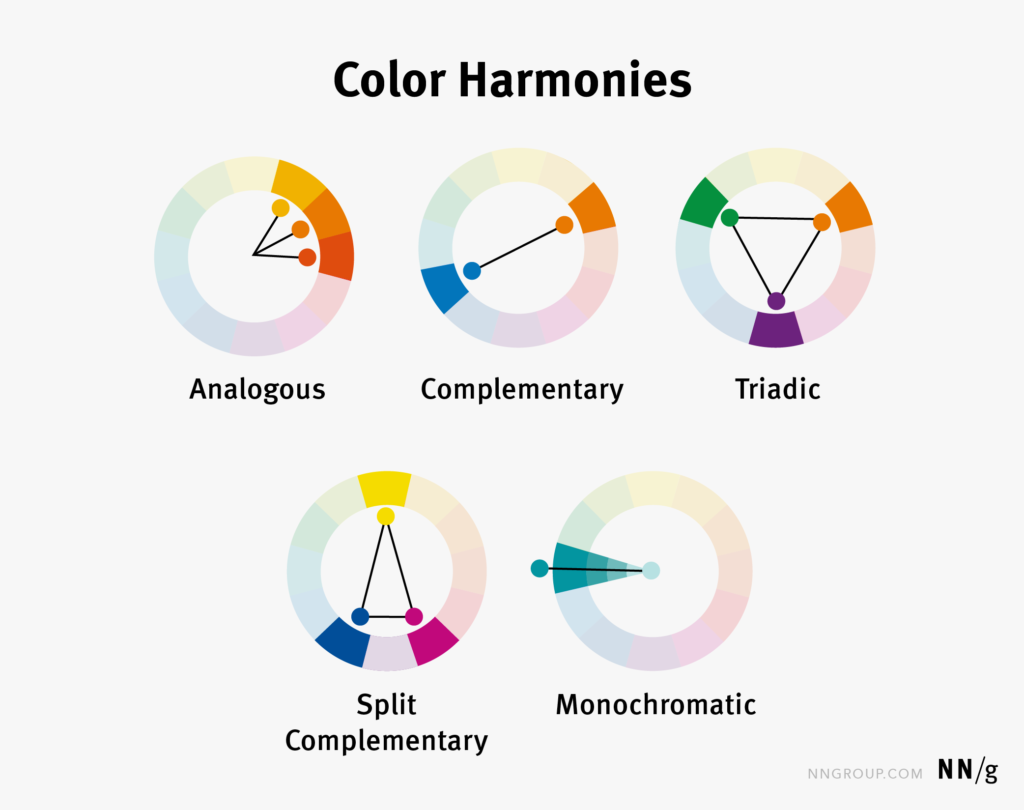
3. Color Harmonies
Color harmonies create visual balance:
-
Complementary
-
Analogous
-
Triadic
-
Monochromatic
Psychological Impact of Colors
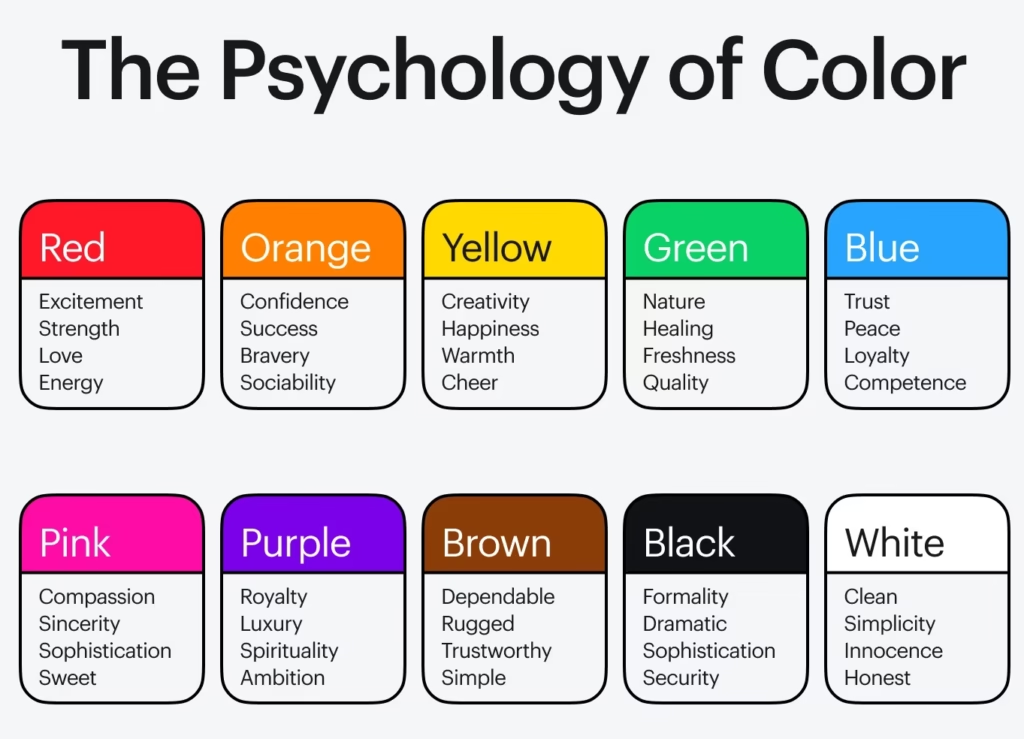
Understanding this theory also involves learning color psychology.
-
Blue: Trust and professionalism
-
Red: Energy and urgency
-
Green: Growth and calmness
-
Yellow: Optimism and creativity
Colors influence emotions and user behavior, making it crucial for UX design.
Establishing Visual Identity Using Color Theory
Color Symbolism in Branding
Brands use color theory to communicate personality and values. The right colors help build trust and recognition.
Example:
Coca-Cola uses red to represent energy and excitement, while LinkedIn uses blue to project professionalism and trust
Consistency Across Platforms
Consistent color usage across websites, apps, and social media strengthens brand identity.
Example:
Instagram maintains the same gradient color style across all platforms.
Role of Color Theory in User Experience (UX)
Applying it in UX design helps in:
-
Creating a cohesive interface
-
Establishing visual hierarchy
-
Improving readability and accessibility
Colors guide users’ attention and enhance navigation.
Color Accessibility in Website Designing
An important part of color theory is accessibility.
-
Follow WCAG contrast guidelines
-
Design for color-blind users
-
Use icons or text instead of relying only on color
Accessible color choices ensure a better experience for all users.
Color Trends and Innovation
Modern designers use it to experiment with:
-
Gradients and overlays
-
Bold and minimal palettes
-
Unique color combinations
These trends help create memorable digital experiences.
Conclusion
Color theory is a powerful tool in website designing. By understanding its principles, psychological impact, and accessibility guidelines, designers can create visually appealing and user-friendly websites.
The right application of it enhances aesthetics, usability, and overall user experience—making it essential for successful web design.